Source Mini Thermocouple Connector for Industrial Sensors
Compare 22 mini thermocouple connector options from verified suppliers. These devices support K, J, N, S, and T types for measuring temperature in gas, liquid, and solid environments with customizable features; compare the available evidence and request quotations based on your requirements.
Key considerations
Products List


Comprehensive Sourcing Guide
Mini Thermocouple Connector Compensating Alloy Sourcing Guide
Procuring mini thermocouple connectors requires a precise understanding of the compensating alloy’s role in maintaining signal integrity across extended cable runs. These components serve as critical interfaces between the sensor and the measurement device, ensuring that the voltage generated by the thermocouple is accurately transmitted without introducing thermal errors. Buyers must recognize that the connector housing and terminal materials are not merely structural; they directly influence the reliability of temperature readings in industrial environments. The choice of alloy determines how well the connector matches the thermocouple’s electrical characteristics, preventing signal degradation over time.
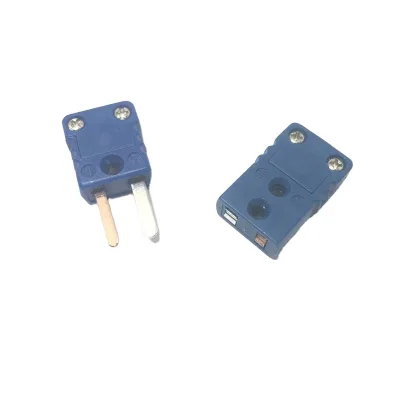
The market offers a variety of configurations, including mini and standard types, which cater to different spatial constraints and installation requirements. Observations from current listings indicate that these connectors are available in multiple color codes, such as white, black, yellow, blue, and red, which helps in quick identification of thermocouple types like K, J, N, S, T, E, R, and B. This color-coding system is essential for preventing cross-connection errors during maintenance or installation. Buyers should prioritize suppliers who provide clear labeling and consistent color standards to streamline their assembly processes and reduce the risk of human error in complex instrumentation setups.
Product Scope and Observed Listing Signals
Current market data reveals a diverse range of mini thermocouple connectors sourced primarily from China, with specific origins noted in Jiangsu province. The observed product attributes highlight a strong emphasis on customization, with many suppliers offering tailored solutions for specific industrial applications. Listings frequently mention materials such as nylon and aluminum for the shell and insulator, providing durability and electrical insulation. The temperature range for these components typically extends up to 120°C or 200°C, depending on the specific model and material composition. Buyers should verify the exact temperature rating for their specific application, as exceeding these limits can compromise the integrity of the connection.
The packaging and shipping details indicate that these connectors are often supplied in bulk quantities, with options ranging from individual packages to large cartons. Common packing methods include export bags, paper boxes, and standard cartons, with some suppliers offering palletized shipping for larger orders. The observed minimum order quantities vary significantly, ranging from small batches of one unit to larger orders of up to two thousand pieces. This flexibility allows buyers to scale their procurement based on immediate needs or long-term inventory strategies. It is crucial to confirm the packaging specifications with the supplier to ensure that the connectors arrive in conditions that prevent damage during transit.
Technical Specifications to Verify
When evaluating mini thermocouple connectors, buyers must closely examine the material composition of both the shell and the insulator. Nylon PA is a common material for the shell, offering good mechanical strength and resistance to environmental factors. The insulator material, often nylon or ceramic, plays a vital role in preventing electrical leakage and ensuring safe operation at higher temperatures. Buyers should verify that the selected material is compatible with the operating environment, considering factors such as chemical exposure, humidity, and mechanical stress. The interface type, whether AC or DC, should also be confirmed to ensure compatibility with the connected instrumentation.
The standard compliance of the connectors is another critical technical specification. Listings indicate adherence to European and American standards, which are widely recognized in global industrial applications. Buyers should request documentation confirming that the connectors meet the specific standards required for their region or industry. Additionally, the IP rating, such as IP for duct type installation, should be verified to ensure adequate protection against dust and moisture. The nominal voltage rating, often listed as 220V, must be checked to ensure it aligns with the system’s electrical requirements. Misalignment in these specifications can lead to safety hazards or equipment failure.
Compliance and Safety Documentation
Certification is a key indicator of product quality and regulatory compliance. Many mini thermocouple connectors are listed with CE certification, indicating conformity with health, safety, and environmental protection standards for products sold within the European Economic Area. Some suppliers also mention ISO and RoHS certifications, which signify adherence to international quality management systems and restrictions on hazardous substances. Buyers should request valid certification documents from the supplier to verify their authenticity and ensure that the products meet the necessary regulatory requirements for their target markets. Failure to obtain proper certification can result in customs delays or legal liabilities.
Beyond certifications, buyers should inquire about the production process and quality control measures implemented by the supplier. The integration process mentioned in some listings suggests a streamlined manufacturing approach, but buyers should seek details on testing procedures and quality assurance protocols. Understanding how the supplier ensures consistency in material properties and dimensional accuracy is crucial for maintaining reliable performance. Buyers should also verify if the supplier conducts routine audits or inspections to maintain compliance with stated standards. This due diligence helps mitigate risks associated with substandard products and ensures long-term reliability in critical applications.
Cost Drivers and Commercial Terms
The cost of mini thermocouple connectors is influenced by several factors, including material costs, customization requirements, and order volume. The observed price range of 0.5 to 100 USD reflects the diversity in product specifications and supplier pricing strategies. Buyers should analyze the cost breakdown to understand how factors such as material quality, certification status, and packaging affect the final price. Customization options, such as specific color codes or tailored dimensions, may incur additional costs. It is advisable to request detailed quotations that itemize these costs to facilitate accurate budgeting and cost comparison.
Commercial terms, including minimum order quantities and lead times, also play a significant role in the procurement process. The observed MOQ range of 1 to 2000 pieces offers flexibility for buyers with varying demand levels. However, larger orders may benefit from volume discounts, which should be negotiated with the supplier. Lead times can vary based on production capacity and customization requirements, so buyers should confirm expected delivery schedules to align with their project timelines. Clear communication regarding payment terms, shipping methods, and return policies is essential to avoid misunderstandings and ensure a smooth transaction process.
Supplier Qualification and Quality Control
Selecting a reliable supplier is paramount for ensuring the quality and consistency of mini thermocouple connectors. Buyers should assess the supplier’s production capabilities, including their manufacturing processes and quality control systems. Suppliers that emphasize integration and standardized production methods are likely to offer more consistent product quality. It is advisable to request information about the supplier’s experience in the industry, their client base, and any relevant testimonials or case studies. This information can provide insights into the supplier’s reliability and commitment to customer satisfaction.
Quality control measures should be a key criterion in supplier evaluation. Buyers should inquire about the supplier’s inspection procedures, including incoming material checks, in-process inspections, and final product testing. Suppliers that implement rigorous quality control protocols are better positioned to deliver products that meet specified standards. Buyers may also consider requesting samples for testing before placing large orders to verify product performance and quality. Establishing a clear communication channel with the supplier for addressing quality issues is also crucial for maintaining a productive partnership and ensuring timely resolution of any concerns.
Long-Term Procurement Checks
Establishing a long-term procurement strategy for mini thermocouple connectors involves regular performance monitoring and supplier relationship management. Buyers should track the performance of the connectors in their applications, noting any issues related to signal accuracy, durability, or environmental resistance. This data can be used to evaluate the supplier’s product quality and identify areas for improvement. Regular feedback to the supplier can help drive continuous improvement and ensure that the products meet evolving requirements. Maintaining open communication with the supplier is essential for addressing any emerging issues and fostering a collaborative partnership.
Supply chain resilience is another critical aspect of long-term procurement. Buyers should assess the supplier’s ability to maintain consistent supply despite market fluctuations or disruptions. Diversifying the supplier base can mitigate risks associated with single-source dependency. Buyers should also stay informed about industry trends and technological advancements that may impact the selection of thermocouple connectors. Regularly reviewing procurement policies and updating specifications based on new insights can help optimize the sourcing strategy and ensure that the organization remains competitive and efficient in its operations.
FAQs
What types of thermocouples are available for mini connectors?
Mini thermocouple connectors are available in K, J, N, S, T, E, R, and B types. These models support various industrial applications and can be customized to meet specific sensor requirements. The product range includes both mini and standard shapes to accommodate different installation needs.
Can I find mini thermocouple connectors with CE certification?
Yes, mini thermocouple connectors are available with CE certification. Some products also carry ISO and RoHS certifications to ensure compliance with international safety standards. Buyers can select from suppliers offering these verified certifications for their specific industrial temperature measurement projects.
What is the maximum temperature range for these connectors?
The temperature range for these connectors extends from -100 to 1600 degrees Celsius. Specific models may have a rated range of 120 or 200 degrees Celsius depending on the insulator material used. Nylon and ceramic materials are commonly used to withstand these varying thermal conditions.
How are mini thermocouple connectors packaged for export?
Packaging options include 10 pieces per package or 400 pieces per carton with specific dimensions. Some suppliers use exported bags combined with cartons, while others utilize paper boxes or pallets for larger shipments. Carton sizes vary to optimize shipping efficiency for different order quantities.
Are customized specifications available for these connectors?
Customized specifications are available for mini thermocouple connectors to meet unique industrial needs. Buyers can request custom models, standards, and packing configurations. The production process supports integration and customization, allowing for tailored solutions regarding material, shape, and interface types.
Which materials are used for the shell and insulator?
The shell material is often aluminum or nylon PA, while the insulator material is typically nylon. These materials provide durability and electrical insulation for industrial applications. Color options include white, black, yellow, blue, red, green, and purple to suit various visual identification requirements.
Where are these mini thermocouple connectors manufactured?
These connectors are manufactured in China, specifically in the Jiangsu region. The products originate from mainland China and are exported globally. Suppliers in this region offer various production capacities and lead times to support international sourcing requirements for industrial sensor accessories.